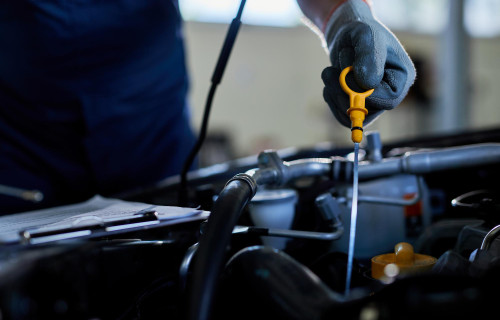
Oil Pressure Problems in 3.0 TDI EA897/evo Engines 3.0 TDI engines, especially from the EA897 and EA897 evo series, are appreciated for their smooth running, strong performance and high torque. At the same time, there is increasing talk about a problem with these engines that can lead to very serious damage: insufficient operating oil pressure. The dangerous part is that this problem can go on for a long time without clear symptoms. The engine may run normally, make no unusual noises and show no faults. Nevertheless, lubrication can be insufficient under certain conditions. In the worst case, this can lead to damage to the bearing shells, the crankshaft, the turbocharger, or even to engine seizure.
What is the problem? Many 3.0 TDI EA897/evo engines use an oil pump with variable displacement. This means that the oil pressure is not always the same, but changes depending on engine speed, load and operating conditions. In principle, this solution is intended to reduce friction losses in the engine, lower fuel consumption and improve emissions. The problem, however, is that the factory settings for the operating oil pressure can be too low under certain conditions. This is discussed particularly often in the following situations: ✔ low engine speed, ✔ warm engine oil, ✔ relaxed motorway driving, ✔ driving in a high gear, ✔ high load at low engine speed, ✔ longer trips at constant speed. Under such conditions, the engine can actually be under load while the oil pressure is regulated too low to provide a sufficient safety margin for lubrication.
Software-related cause One of the main causes can be an oil pressure control that is set too low in the software. The oil pump maps were designed so that the engine operates at lower oil pressure in certain ranges. From the standpoint of consumption and emissions, this is understandable. From the standpoint of engine durability, however, it can be problematic. At low engine speed and high load, for example during relaxed motorway driving in a high gear, the oil film can be too weak. In this case, the bearing shells, crankshaft, turbocharger and other components do not receive the lubrication they need. The result can be that the engine appears to run normally for a long time while the internal components wear out faster.
Mechanical cause The second group of possible causes consists of classic mechanical defects in the lubrication system. These include, among others: ✔ defect of the variable-displacement oil pump, ✔ damaged oil pressure control valve, ✔ problems with the oil pressure regulation, ✔ dirty or partially clogged oil strainer, ✔ contaminated engine oil, ✔ wear of internal engine components, ✔ excessive bearing clearance at the bearing shells, ✔ diluted or overaged engine oil. In such a case, simply adjusting the oil pressure maps does not always solve the problem. If mechanical damage already exists, the actual cause must be eliminated first.
Why is low oil pressure so dangerous? Engine oil does not only serve for lubrication. It is also responsible for cooling, friction reduction, the function of tensioners, turbocharger lubrication and the protection of the bearing shells. If the oil pressure is too low, a stable oil film cannot form between the interacting components. Metal then begins to run on metal. At first this leads to accelerated wear, later to metallic noises and, in the worst case, to severe engine damage. Components at particular risk are: ✔ crankshaft bearings, ✔ crankshaft, ✔ turbocharger, ✔ chain tensioner, ✔ camshafts, ✔ components of the crank drive. If the problem is ignored, it can result in a spun bearing, a damaged crankshaft or complete engine failure.
Typical symptoms of oil pressure problems Oil pressure problems in 3.0 TDI engines can show up in various ways. The most common symptoms include: ✔ low oil pressure warning light, ✔ low oil pressure message, ✔ metallic knocking from the upper engine area, ✔ louder timing chain or timing drive noises, ✔ noises when the engine is warm, ✔ oil loss or increased oil consumption, ✔ rough engine running, ✔ loss of power, ✔ turbocharger damage, ✔ metal particles in the engine oil or oil filter. Metallic knocking should be taken particularly seriously. It can indicate that mechanical wear or damage to engine components has already occurred.
Why can calm driving also be problematic? Many drivers think that an engine mainly suffers from sporty or aggressive driving. With oil pressure problems in the 3.0 TDI, however, the situation can be different. An example: the vehicle is driving calmly on the motorway, in a high gear and at low engine speed. The driver is not pressing the accelerator hard, so the load seems low. In practice, however, a heavy vehicle with a powerful diesel engine still generates considerable load, while the engine oil is already heavily heated. If the oil pressure is too low at that moment, lubrication can be insufficient. This is exactly why the combination of low engine speed and load is particularly critical for these engines.
Solution: software adjustment of the oil pressure maps If the engine does not yet have any mechanical damage, a software adjustment of the oil pressure maps is one of the commonly used solutions. The settings in the engine control unit are changed so that the oil pump maintains a higher oil pressure in critical operating ranges. This is not classic chip tuning to increase power, but a protective measure to improve lubrication conditions. The goals of such an adjustment are: ✔ increased oil pressure, ✔ better lubrication of the bearing shells, ✔ better protection of the crankshaft, ✔ more stable function of the lubrication system, ✔ lower risk of engine seizure, ✔ longer engine life. Such a measure is usually significantly cheaper than repairing a damaged engine. That is why it is often regarded as a preventive measure, especially for EA897/evo engines.
When does such an adjustment make sense? A software adjustment of the oil pressure makes sense above all when the engine is still mechanically sound. This means: ✔ no metallic knocking noises, ✔ no metal particles in the oil, ✔ no seized engine, ✔ the oil pump works correctly, ✔ the oil pressure control valve is not damaged, ✔ no excessive bearing clearance, ✔ the lubrication system is clear and not clogged. If the engine is already knocking, metal particles are present in the oil, or there are clear signs of heavy wear, a software adjustment alone cannot repair existing damage. In this case, diagnosis and mechanical repair are necessary.
Why should you not wait too long? A problem with oil pressure that is too low often develops gradually. At the beginning, the driver may notice nothing. Later, slight noises, a warning message, a warning light or oil loss may appear. Unfortunately, the engine may already be partially damaged by the time the symptoms become obvious. Therefore, the issue of oil pressure in 3.0 TDI EA897/evo engines should be approached preventively. It is better to check the lubrication system early and, if necessary, adjust the oil pressure maps, than to bear high costs for an engine repair or a replacement engine later.
Below is a list of engines in which a factory-related problem may occur:
DDXC CGQB CTCC CDUD CDUC CTCB CTCC CRTE CRTC CZAC CZVA CZVB CZVC CZVD CZVE CZVF CLAB CLAA CDUD CKVB CKVC CVUA and others
List of vehicles in which the described problem may occur:
AUDI A6 from 2014 AUDI A7 from 2014 AUDI SQ5 TDI from 2014 AUDI S6 from 2019 AUDI S7 from 2019 Porsche Panamera II 4S Diesel 2016–2018 Audi SQ7 2016–2020 Audi SQ8 2019–2020 Audi A8 D5 2013–2017 Bentley Bentayga 2017–2020 Volkswagen Touareg 2010–2018
Summary Oil pressure problems in 3.0 TDI EA897/evo engines are often related to a factory-set low operating oil pressure. At low engine speed, warm oil and higher load, this can lead to insufficient lubrication. The cause can be software-related as well as mechanical, for example due to a variable-displacement oil pump or a defective oil pressure control valve. Typical symptoms are a low oil pressure warning, metallic knocking, oil loss, louder engine noises or problems in the lubrication system. If the engine shows no mechanical damage, a software adjustment of the oil pressure maps can be an effective and significantly cheaper solution than an engine repair. The aim is to increase the oil pressure, improve lubrication, extend engine life and reduce the risk of severe engine damage.
Need a reliable replacement engine?
Check matching engines in our stock or decode your VIN to verify compatibility.
Related Articles
Back to all posts
Excessive oil consumption in 2.0 TFSI engines.
1.4 TSI/TFSI EA111 Engine